

Table of Contents
- Why It's Hard to Calm Down After Work
- Step 1: Change Out of Work Clothes and Get Comfortable
- Step 2: Create a Physical Transition Between Work and Personal Time
- Step 3: How to Switch Off From Work Mentally
- Step 4: Use Calming Activities After Work
- Step 5: Reduce Phone Notifications and Screen Distractions
- How Long Does It Take to Unwind After Work
- What to Do When Work Stress Follows You Home
- Frequently Asked Questions
Last Updated: October 10, 2026
Why It's Hard to Calm Down After Work
The shift from work to personal time isn't automatic. Your brain stays in high-alert mode, replaying conversations and processing stress. Even after you leave the office, your nervous system can take hours to settle, which is why learning how to calm down after work matters. (Source: the impact of embodied cognition on mood)
Work trains your body to stay switched on. Tight deadlines, meetings, and notifications create a baseline of mild stress. Without a deliberate transition, that tension follows you home, affecting your evening and sleep.
A structured after-work routine can interrupt this cycle. Small, intentional steps, changing clothes, meditation, reducing screen time, help your nervous system downshift.
Step 1: Change Out of Work Clothes and Get Comfortable
Wearing work clothes after hours keeps your mind tethered to work mode. Changing into comfortable clothes signals to your brain that the working day has ended. Research in embodied cognition shows that clothing influences mood and self-perception; removing work attire helps your nervous system recognise the transition.
Why this matters in the first 5 minutes
The first 5-15 minutes after work are crucial. This is when your nervous system is still in high-alert mode from the day. Changing clothes is one of the fastest, most tangible signals you can give your body that work has ended. It takes only 2-5 minutes but interrupts the momentum of work stress before it settles deeper.
How to do it effectively
- Change immediately upon arriving home, before sitting down or checking your phone.
- Choose genuinely comfortable fabrics: soft cotton, jersey knit, or loose-fitting knitwear.
- Keep a dedicated "home set" separate from weekend clothes to help your brain learn the association faster.
- Consider footwear: removing work shoes and changing into slippers or soft trainers amplifies the signal.
What this step does for your routine
Changing clothes is your anchor, the first physical action that marks the boundary. It works best when paired with a second action within the next 5-10 minutes (a walk, a breathing exercise, or a shower). Together, these two steps create a 10-15 minute "reset window" that most people need to begin genuine unwinding.
Step 2: Create a Physical Transition Between Work and Personal Time
A transition ritual marks the end of work and the start of recovery. Physical transitions are most effective because they engage your senses and body. A mental reminder to "relax now" rarely works; your nervous system needs something tangible.
Try one of these transitions:
- Walk from your front door to another room before settling
- Wash your hands and face deliberately, focusing on the sensation of water
- Step outside for two minutes, even in bad weather
- Play a specific song that signals the shift to personal time
- Make a hot drink and sit with it for five minutes without your phone
Consistency matters most. Your brain learns to associate the ritual with downtime, and after a few weeks, the routine itself becomes calming.
Step 3: How to Switch Off From Work Mentally
Switching off mentally is harder than physical separation. Trying to force your mind to stop usually backfires. The most practical approach is redirection: give your mind something else to focus on instead of fighting work thoughts.
Effective mental switches:
- Commit to a specific activity that demands attention (cooking, reading, playing a game)
- Set a time limit on work-related thinking (10 minutes to process, then move on)
- Write down lingering work tasks so your brain doesn't need to hold them
- Use a physical anchor like a stress ball to ground yourself in the present moment
Passive activities like scrolling social media don't switch off work stress; your mind remains partly at work.
Step 4: Use Calming Activities After Work
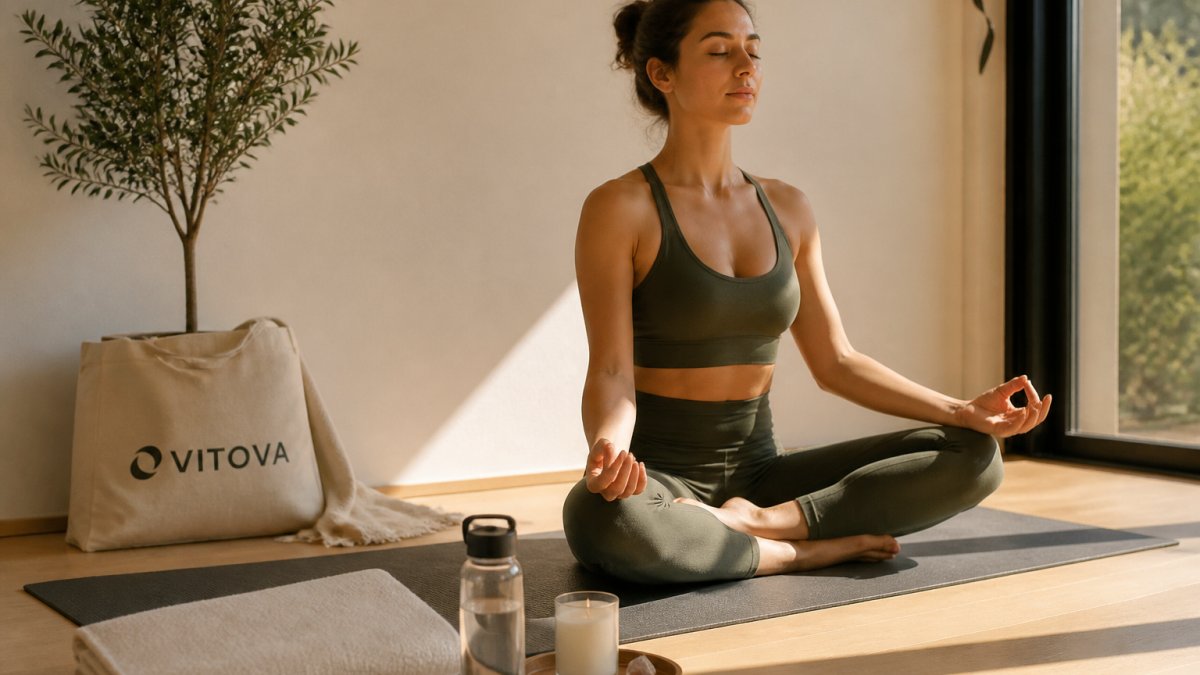
Calming activities give your nervous system the signal to downshift. Choosing the right activity for how you're feeling, rather than defaulting to the same routine, makes your wind-down significantly more effective.
Match your activity to your stress state
If you're feeling anxious or mentally restless:
You need an activity that demands focus and grounds you in the present moment.
- Guided meditation (10-15 minutes) gives your mind a specific anchor to return to when it wanders, interrupting the pattern of anxiety.
- Breathing exercises like box breathing (4 counts in, 4 hold, 4 out, 4 hold) activate your parasympathetic nervous system.
- A structured activity like cooking, a puzzle, or craft occupies your hands and mind simultaneously, leaving no room for rumination.
Avoid: passive scrolling or watching TV.
If you're feeling overstimulated or mentally exhausted:
Your nervous system needs to reduce stimulation, not add more.
- A quiet walk outdoors (15-20 minutes) without music or podcasts helps your brain process the day without adding new stimulation.
- A bath or shower (10-30 minutes) in a quiet space provides a sensory reset.
- Gentle stretching or restorative yoga (10-15 minutes) in silence allows your body to release tension.
- Simply sitting quietly for 10-15 minutes without an agenda gives your nervous system permission to do nothing.
Avoid: high-energy exercise, loud music, or activities requiring decision-making.
If you're feeling angry or frustrated:
You have physical energy that needs to be released. Anger requires movement to metabolise the stress hormones your body has produced.
- Brisk walking or jogging (20-30 minutes) is more effective than gentle movement. The intensity helps burn off adrenaline and cortisol.
- Vigorous stretching or dynamic yoga (15-20 minutes) with flowing movements rather than static poses channels the energy productively.
- Physical activity like swimming, cycling, or dancing works well because it combines movement with a clear focus, preventing rumination.
- Writing or journaling (10-15 minutes) can also help: write out what frustrated you without filtering. This externalises the emotion and often reveals what actually needs to be addressed.
Avoid: sitting quietly or passive activities, which can trap the anger and prolong the feeling.
If you're physically exhausted:
Your body is depleted. You need rest and gentle recovery, not stimulation or intense activity.
- A warm bath with Epsom salts (20-30 minutes) relaxes muscles and signals your body that recovery is happening.
- Gentle stretching or restorative yoga (10-15 minutes) releases physical tension without demanding energy.
- Lying down with a guided body-scan meditation (10-20 minutes) helps your nervous system shift into rest mode while your body recovers.
- A short nap (15-20 minutes) can be appropriate if you're genuinely exhausted, though this works best earlier in the evening to avoid disrupting sleep.
Avoid: intense exercise or mentally demanding activities, which will deplete you further.
Building a flexible routine
The most effective after-work routine isn't rigid. Check in with yourself: How am I feeling right now? Then choose an activity that matches that state. Over time, you'll develop a toolkit of 2-3 activities for each state, and you'll know which ones work fastest for you.
Most people benefit from combining two activities in sequence. For example:
- Anxious: 10 minutes of breathing exercises, then 15 minutes of a guided meditation.
- Overstimulated: 20 minutes of a quiet walk, then 10 minutes of gentle stretching.
- Angry: 20 minutes of brisk walking, then 10 minutes of journaling.
- Exhausted: 20 minutes in a warm bath, then 15 minutes of restorative yoga.
This combination approach (15-45 minutes total) addresses both the immediate stress state and the underlying need for transition.
Step 5: Reduce Phone Notifications and Screen Distractions
Your phone keeps your nervous system active. Notifications, messages, and the temptation to check work emails all signal urgency to your brain. Even if you don't consciously read every notification, your body reacts to the interruption.
Practical steps to reduce screen distraction:
- Turn off work notifications at a set time (5 p.m., for example)
- Use "Do Not Disturb" mode on your phone
- Keep your phone in another room during your wind-down time
- Avoid screens (phone, laptop, TV) for at least 30 minutes before bed
- Replace screen time with one of the calming activities listed above
The goal isn't complete disconnection, it's creating a protected window where your nervous system isn't being triggered by digital interruptions. Even one hour without notifications helps significantly.
| Activity | Time Required | Effectiveness | Best For |
|---|---|---|---|
| Changing clothes | 2-5 minutes | High | Immediate transition |
| Walking | 15-20 minutes | High | Mental reset and movement |
| Stretching | 5-10 minutes | Medium | Releasing physical tension |
| Meditation | 5-15 minutes | High | Calming nervous system |
| Bath or shower | 10-30 minutes | High | Sensory reset |
| Breathing exercises | 5-10 minutes | High | Quick nervous system calm |
| Phone-free time | 30-60 minutes | High | Protecting relaxation time |
How Long Does It Take to Unwind After Work
Most people need 20-60 minutes to genuinely unwind after work. This varies based on how stressful your day was, your baseline stress level, and which calming activities you use.
A demanding day with difficult interactions might require 60 minutes or more. A moderately busy day might need only 20-30 minutes.
The first 5-15 minutes are crucial. This is when you establish the transition through changing clothes, a walk, or a breathing exercise.
If you skip this transition window and try to move straight into evening activities, you'll carry work tension through your night. This affects your ability to relax, enjoy personal time, and sleep well.
What to Do When Work Stress Follows You Home
Sometimes, despite your best efforts, work stress persists. You replay conversations, worry about tomorrow, or feel unable to settle. This is particularly common after difficult days or during high-pressure periods.
When work stress follows you home, a standard wind-down routine might not be enough. You need a more deliberate reset:
- Process the day: Spend 10 minutes writing down what happened, what bothered you, and what you'll do tomorrow. This gives your brain permission to stop holding the information.
- Physical release: Do something more vigorous than usual, a brisk walk, a run, or intense stretching. Physical activity burns off stress hormones that your body has been producing.
- Talk it through: Briefly discuss your day with someone you trust. Verbalising stress often reduces its grip.
- Extend your transition time: Don't rush the wind-down. Give yourself an extra 20-30 minutes and use multiple calming activities in sequence (shower, then meditation, then a walk).
- Avoid rumination: If you find yourself stuck replaying the day, deliberately shift your focus to something engaging, a hobby, a book, or a creative activity that demands attention.
The goal is acknowledging that some days require more recovery time than others. On those days, protecting your evening with a longer, more intentional routine prevents work stress from dominating your personal time.
Learning how to calm down after work is a skill that improves with practice. If you're looking for additional support alongside your routine, Vitova Calm combines magnesium, ashwagandha, L-theanine, zinc, and vitamin D3 as a daily gummy designed to support people with busy lives.

Frequently Asked Questions
How can I calm down quickly after work if I only have 5-15 minutes?
Start with a quick transition: change clothes, step outside for a 5-minute brisk walk, then spend 5 minutes on deep breathing or gentle stretching. Even this short routine signals to your body that work time is over. Consistency matters more than duration, a brief daily ritual is more effective than occasional long sessions.
How long does it take to unwind after work if I've had a particularly stressful day?
Most people need 20-30 minutes to shift out of work mode, though this varies. A stressful day may require longer. Start with your chosen calming activities and observe how you feel. If racing thoughts persist after 30 minutes, don't force it, continue with a gentle activity like listening to music or reading rather than pushing harder.
What should I do if work stress keeps following me home even after my routine?
Persistent work stress may signal that your current routine isn't addressing your specific needs. Try rotating activities, if walking alone feels repetitive, try yoga or breathing exercises instead. Some people find that a consistent daily ritual, combined with addressing the source of stress at work, helps more than any single activity. If stress feels overwhelming, speaking with a GP or counsellor can help.
Can a gummy supplement help me calm down after work as part of my routine?
Gummy supplements containing ingredients like magnesium and ashwagandha can support your daily routine when taken consistently. They work best as part of a broader wind-down approach, not as a replacement for physical activity, breathing work, or other calming practices. View them as one tool within a complete after-work ritual, taken daily to support overall balance.

Leave a comment
This site is protected by hCaptcha and the hCaptcha Privacy Policy and Terms of Service apply.